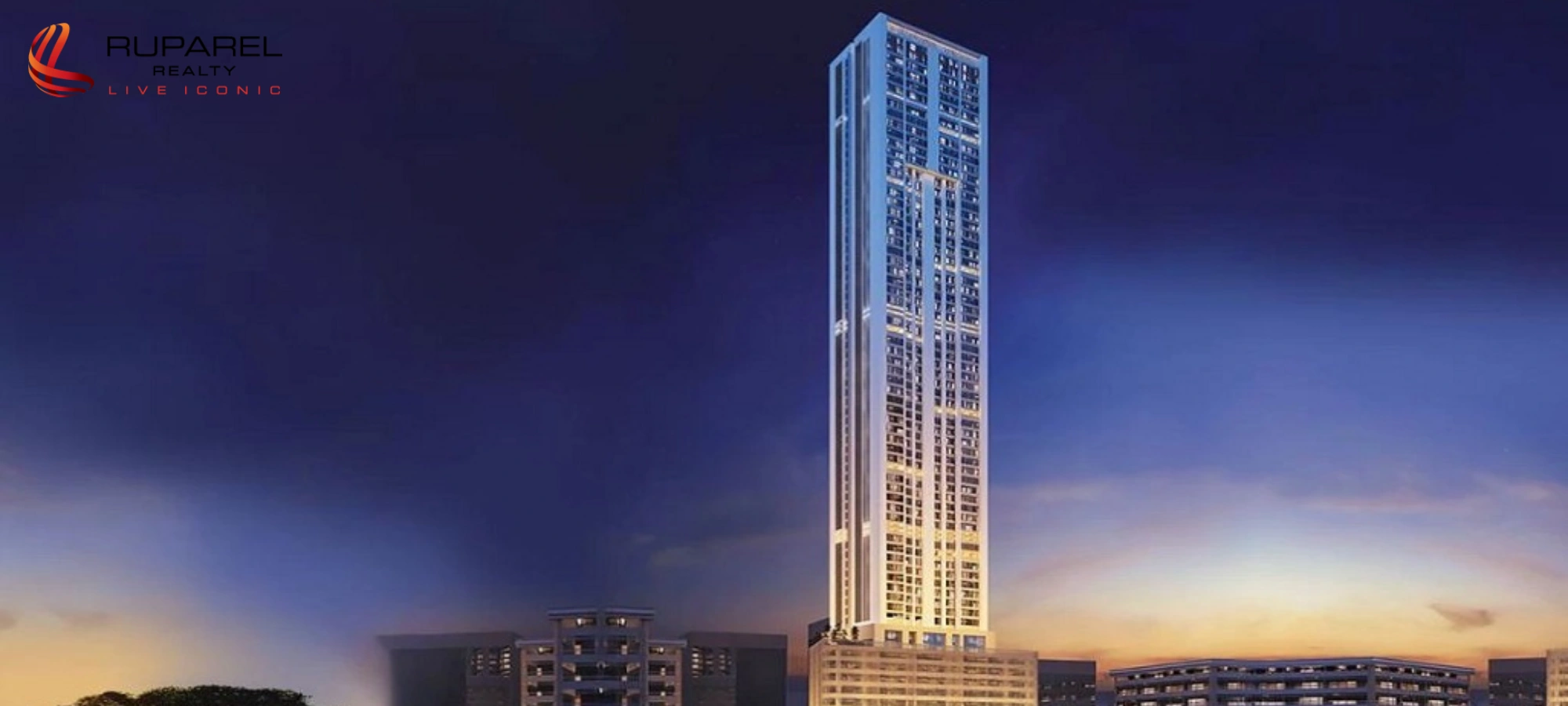
Apartments in Parel
There was a time when Parel’s skyline was defined by chimneys, not towers. Shift changes, not rooftop pools. And yet, if one had quietly bought property here 15 years ago, the numbers today would tell a very different story.
That’s the surprise. Parel didn’t just change. It recalibrated Central Mumbai’s real estate map.
Now the question being asked isn’t what is Parel? How much further can it go? Because for buyers scanning apartments in Parel today, this is no longer an “emerging” market. It’s established. And still evolving.
Why Parel Now? The Redevelopment Story That Changed Central Mumbai
A few areas in Mumbai have gone through redevelopment at Parel’s pace. Textile mills once occupied some of the most valuable land parcels in the city. When they shut down, something had to give.
And it did. Mill land redevelopment, guided by policy and pressure, unlocked large contiguous plots. Developers stepped in. Infrastructure followed. Commercial offices, luxury residences, retail hubs. The shift wasn’t cosmetic. It was structural.
Here’s the thing. Parel didn’t lose its working-class roots in the process. It layered over them.
That’s why property in Parel feels different from planned suburbs. It has history under its feet. And ambition overhead.
Apartments in Parel and Central Mumbai: Connectivity That Powers Demand
Rail, Metro, Roads — All Pulling in the Same Direction
Connectivity is Parel’s strongest card. Possibly it's loudest, even if no one advertises it that way.
Parel and Lower Parel stations sit on the Central and Western Lines respectively. Dadar is one stop away. CST is under 15 minutes by fast local. Churchgate isn’t much further via the Western Line.
Metro Line 3 (Colaba–Bandra–SEEPZ) is operational, with nearby stations at Lower Parel and Mahalaxmi. The underground corridor has flattened commute time unpredictability. South Mumbai to BKC is now routine. Not a gamble.
Road access holds its own. Senapati Bapat Marg, Dr. E. Moses Road, NM Joshi Marg. Peak-hour traffic exists, obviously. But the number of alternate routes keeps the movement fluid enough.
For anyone evaluating flats in Parel, this connectivity explains the pricing better than any brochure ever will.
Infrastructure Around Property in Parel: Built for Density, Tested Daily
High density exposes weak infrastructure quickly. Parel passed that test.
The power supply is stable. Water issues are minimal by Mumbai standards. Waste management around newer residential clusters is noticeably better than in older island-city pockets.
Hospitals like KEM, Tata Memorial, and Global Hospital. Schools like JD Somani, St. Paul’s, and international curricula options are nearby. Malls? Phoenix Palladium sits practically next door.
Interestingly enough, this concentration of infrastructure has created its own ecosystem. Residents don’t travel far for essentials. Or indulgences.
Neighborhood Appeal: Heritage on One Side, High-Rises on the Other
Parel’s Dual Personality (and Why It Works)
Walk a few minutes in Parel, and the contrasts become obvious.
On one street, you pass century-old buildings, local temples, and Irani cafés still doing brisk business. Next, glass towers with valet parking and concierge desks.
But it doesn’t clash. It coexists.
There’s a lived-in quality to Parel that newer micro-markets try hard to manufacture. Community spaces are used. Festivals spill into lanes. Morning walkers share pavements with office-goers.
This matters. Because people don’t just buy apartments in Parel for square footage, they buy into the rhythm.
Flats in Parel: Property Types and Current Price Ranges
Let’s talk numbers. Carefully. Approximately.
A 1 BHK flat for sale in Parel typically starts around ₹2.2–2.8 crore in a newer tower. Older buildings may offer lower entry points, but inventory is thin.
2 BHK apartments in Parel usually range from ₹3.5 crore to ₹6 crore, depending on view, floor height, and amenities.
Larger 3 and 4 BHK configurations in premium developments easily cross ₹8–12 crore. Sometimes more. Especially with unobstructed sea or city views.
Yes, these are serious numbers. But compare them with South Mumbai equivalents, and the value gap still exists. Narrowing, but present.
That’s why flats in Parel for sale continue attracting both end-users and investors.
Apartments in Parel as an Investment: ROI and Appreciation Trends
Property appreciation in Parel has historically averaged between 7–9% annually over the last decade. Some years stronger. Some flatter. Overall, consistent.
Rental yields typically sit around 2.5–3%. Corporate tenants, expats, and senior medical professionals. Demand rarely dries up because of proximity to commercial hubs like Lower Parel, Worli, and BKC.
Here’s the thing investors appreciate. Supply is limited. Redevelopment opportunities are fewer now than before. Which supports long-term price resilience.
For those evaluating property for sale in Parel, this isn’t a speculative bet. It’s a consolidation play within Central Mumbai.
Redevelopment’s Next Phase: What Lies Ahead for Property in Parel?
Most of the obvious mill land redevelopment is done. What remains is refinement.
Older residential societies are entering redevelopment. Commercial-to-residential conversions. Infrastructure upgrades aligned with increased density.
Height restrictions, regulatory scrutiny, and community involvement have slowed reckless construction. That’s a positive, not a problem.
Interestingly enough, markets mature when speed reduces.
Ruparel and Parel: Understanding Central Mumbai’s Nuances
Ruparel Realty’s work across Mumbai reflects a long-standing understanding of dense urban micro-markets like Parel. Designing livable spaces within regulatory constraints, optimizing layouts, and respecting neighborhood fabric is part of that experience.
For buyers curious about upcoming opportunities, it’s worth taking time to explore Ruparel Projects or simply contact Ruparel for a clearer picture of what’s unfolding in this corridor.
Who Should Consider Buying Property in Parel?
Parel isn’t for everyone. And that’s fine.
It suits buyers who value:
- Central Mumbai connectivity over suburban sprawl
- Walkable access to work, healthcare, and retail
- Long-term property appreciation rather than quick flips
- A mix of heritage and modern living
If quiet isolation is the goal, other pin codes exist. If integration matters, Parel delivers.
Closing Thoughts: Is Parel Still a Smart Move?
Parel has already proven itself. That’s the point.
What it offers now is stability, not novelty. Infrastructure that works. Connectivity that saves time. A market that has absorbed growth and kept going.
For those scanning apartments in Parel today, the decision often comes down to confidence. is is Confidence in Central Mumbai. In redevelopment done right. In demand that doesn’t disappear with trends.
Sometimes, the best property decisions aren’t dramatic. They’re deliberate.